HomeBlogPricingDemoDocs
LoginGet Started
Data Minimisation in Age Verification: What to Collect (and What Not To)
16 Mar 2026

Data Minimisation in Age Verification: What to Collect (and What Not To)

AgeOnce Team
Home

/

Blog

/

Data Minimisation in Age Verification: What to Collect (and What Not To)

Principles for collecting only what you need in age verification, and what to avoid storing.

Data minimisation is a core principle of the GDPR and of most modern privacy law: collect and retain only what is strictly necessary for your purpose. In age verification, the purpose is usually to establish that a user meets a minimum age (e.g. 18+). You do not need their name, full birth date, address, or a copy of their ID for that; you need a reliable "yes" or "no" and, for compliance, evidence that the check was performed.

What you typically need. A signed outcome (e.g. "18+ verified" or "under 18") and an audit identifier (e.g. a verification receipt) so you can demonstrate compliance to a regulator. That’s it for day-to-day access control. You do not need to store the ID image, the selfie, or a reversible biometric template.

What to avoid. Storing scans of passports or driver’s licences, face images, or any identifier that could be used to re-identify the person beyond the verification event. The more you store, the bigger the breach risk and the harder it is to justify under data minimisation. Regulators and courts are increasingly critical of age verification that creates large, centralised identity databases.

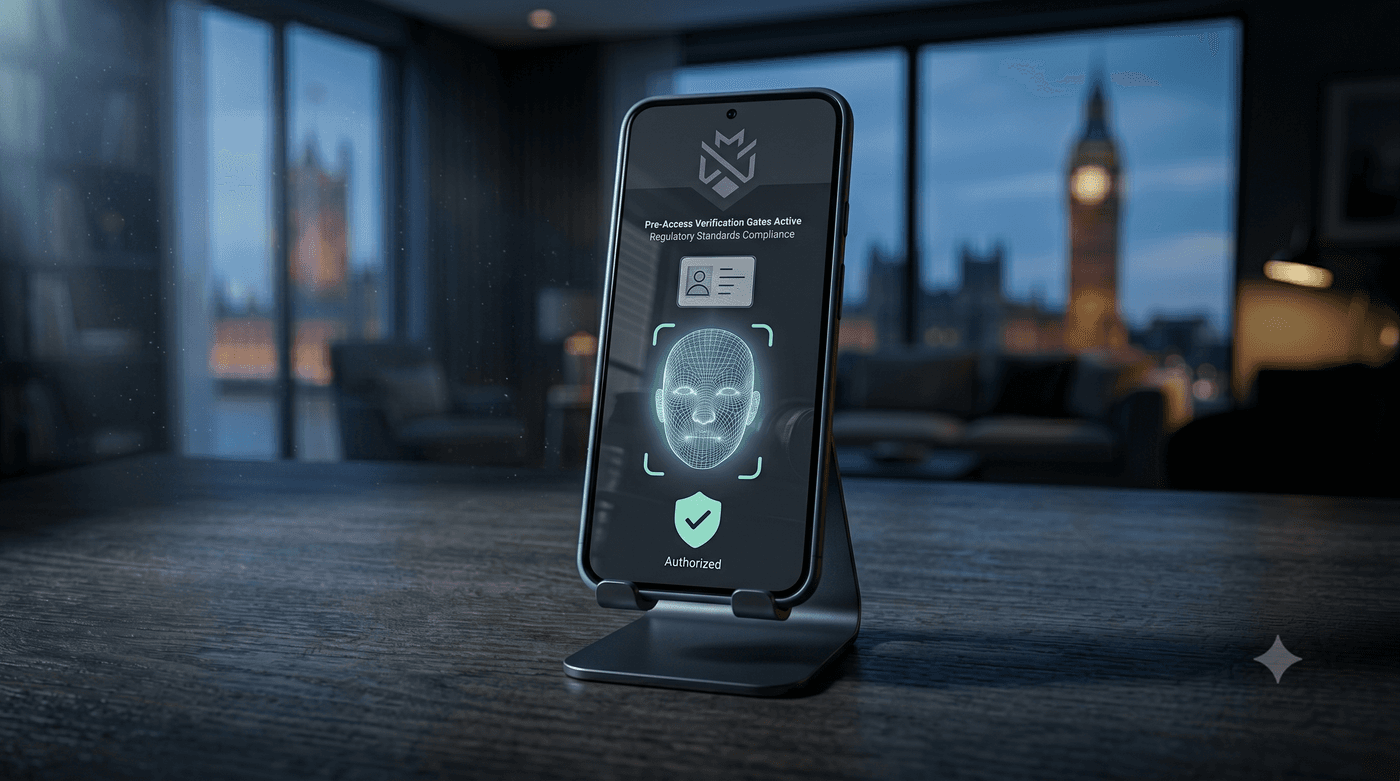
How privacy-first verification helps. A well-designed provider checks the document and the person, then discards the raw inputs (or keeps only a non-reversible representation for reverification). It returns to you only the outcome and an audit ID. You never see or store the ID or face. Your systems stay minimal, and your story to users and regulators is clear: we only keep what we need to prove that we verified age. That’s the standard to aim for.

data minimisation
GDPR
privacy
compliance
This is what we solve with AgeOnce
  • 18+ token and Audit ID only, with no document or face storage

  • Returning users re-verify with a quick face check across your and partners’ sites

  • One integration for UK, EU, US, Australia (DSA, GDPR, Ofcom, ICO ready)

  • Prove compliance to regulators without holding sensitive data

See how it worksGet started

Recent Posts

AgeOnce Team
ICO Fines and the March 2026 Open Letter: Reddit, MediaLab, and Big Tech on Notice
23 Mar 2026
ICO Fines and the March 2026 Open Letter: Reddit, MediaLab, and Big Tech on Notice

The UK ICO has fined Reddit and MediaLab for age-assurance failures and sent an open letter to major platforms. What it means for compliance.

AgeOnce Team
On-Device Age Verification: When Your Face Never Leaves Your Phone
22 Mar 2026
On-Device Age Verification: When Your Face Never Leaves Your Phone

How age verification can run entirely on the user’s device so that no face image or biometric data is sent to servers.

AgeOnce Team
The 'Age Verification Trap': Can Platforms Comply Without Collecting Biometrics on Kids?
21 Mar 2026
The 'Age Verification Trap': Can Platforms Comply Without Collecting Biometrics on Kids?

Regulators demand age checks, but collecting biometrics from minors triggers privacy concerns. How to navigate the trap.


The privacy-first age verification for high-risk businesses.

Legal
Terms of ServicePrivacy PolicyBiometric Policy
Product
DocumentationWordPress PluginStatus

© 2026 AgeOnce Inc. All rights reserved.