Not all age verification methods carry the same weight in an audit. Regulators and larger platforms now treat a short list of options as “highly effective,” while plain self-declaration is usually ruled out on its own. Below is a short comparison.
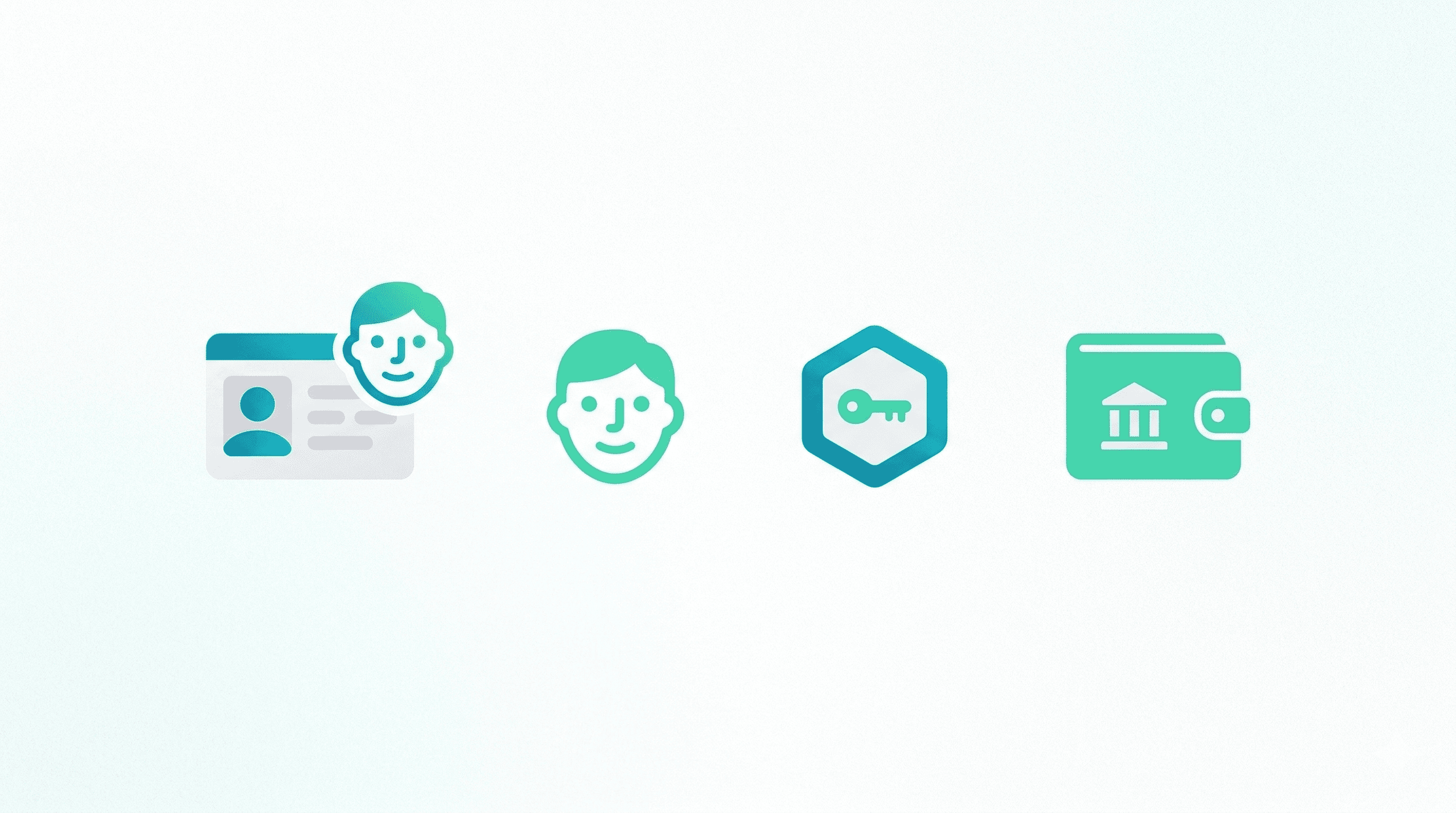
Methods at a glance (relative score 0–100)
Photo ID + liveness
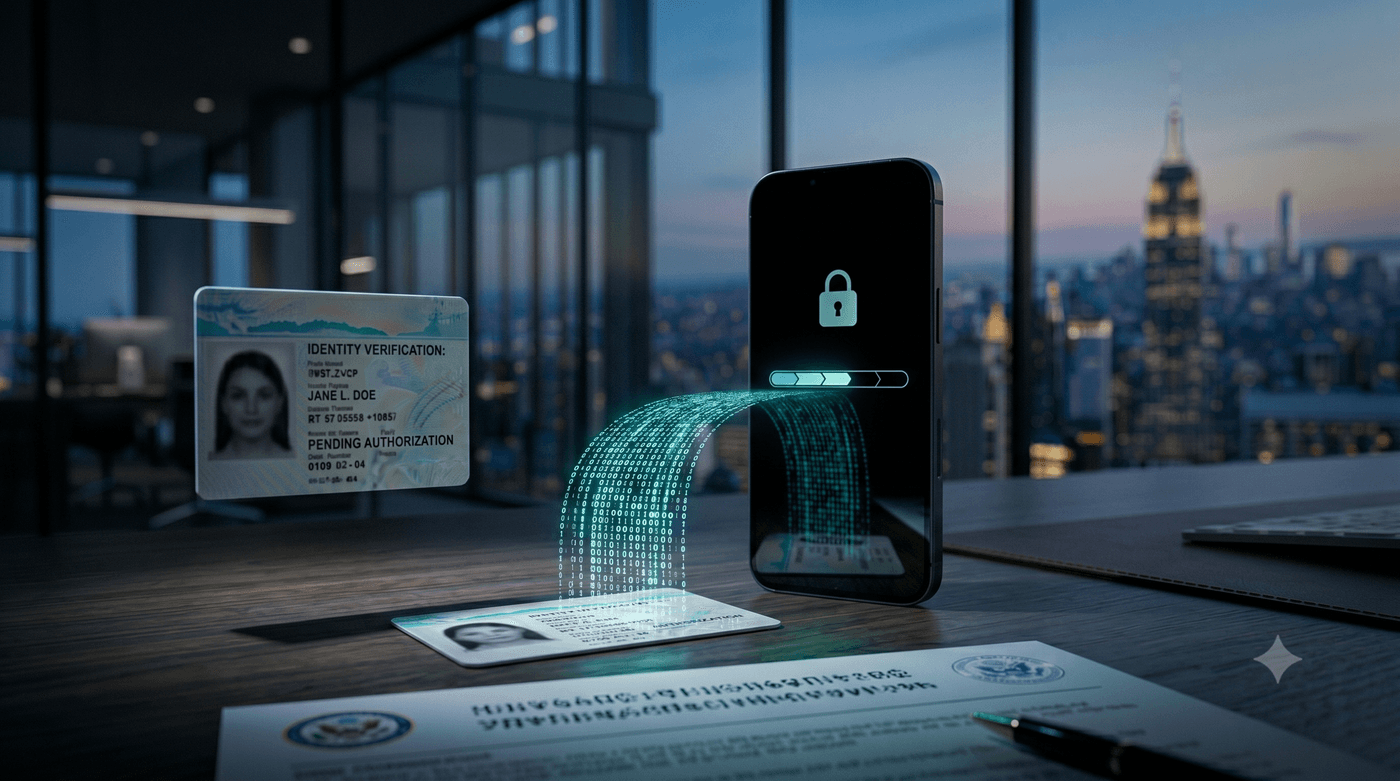
The user uploads an ID and completes a liveness check (e.g. selfie or short video). The provider extracts age (and optionally matches face to ID) and returns a result. Strong and widely accepted. Privacy depends on implementation: avoid solutions that store the ID or face; prefer those that return only a signed outcome and an audit ID.
Facial age estimation
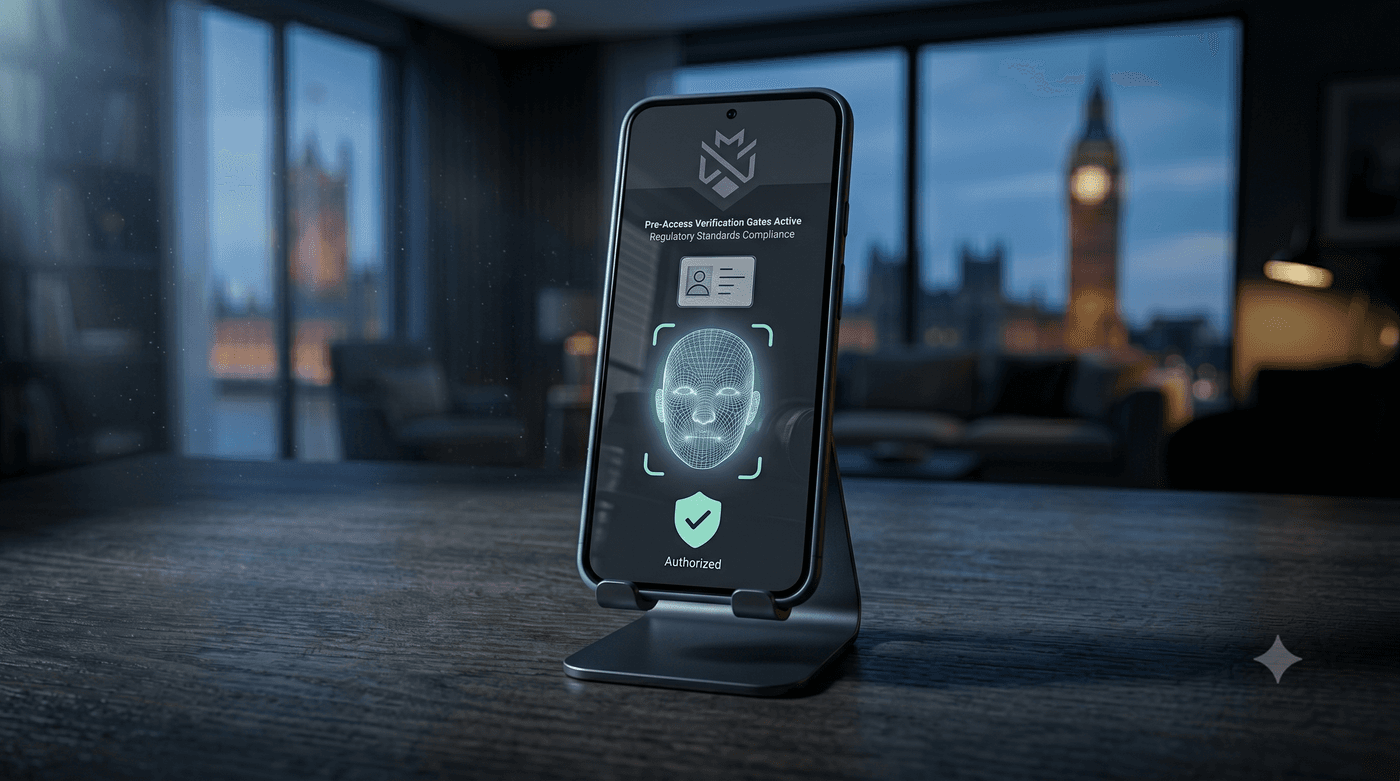
The user submits a selfie or short video; an AI model estimates whether they are above the threshold (e.g. 18+). No ID required. Fast and low-friction. Best when the image is processed in memory and not stored, and when the model is validated (e.g. by NIST or similar). Some regulators accept it as highly effective when combined with clear disclosure and fallback for edge cases.
Token or assertion-based verification
The user proves age once (via ID, wallet, or another method) and receives a signed token or credential (e.g. "18+ verified") that they or a connected service can present to platforms. No need to re-share documents. Aligns with eIDAS 2.0 and the EU blueprint. Ideal for returning users and cross-site reuse.
Open Banking
In some jurisdictions, age can be inferred or confirmed via bank-verified identity. Low friction for users who already use Open Banking. Availability and regulatory acceptance vary by country.
How to choose the right method (or combination)
Your choice of method (or mix) depends on your risk level, user base, and jurisdiction. For many platforms, a hybrid approach works best: strong verification (ID + liveness) for first-time users, token or light reverification for returning users, and an age token instead of stored documents or faces.
Compare methods (switch tabs)
The user uploads an ID and completes a liveness check (e.g. selfie or short video). The provider extracts age and optionally matches face to ID, then returns a result. Strong and widely accepted. Privacy depends on implementation: prefer solutions that return only a signed outcome and an audit ID and do not store the ID or face.
Frequently asked questions
Photo ID plus liveness typically delivers the highest confidence because it binds a government-issued document to a live person. Facial age estimation is highly accurate around the 18+ threshold when using NIST-validated models, and is often combined with ID fallback for edge cases.
Yes. Ofcom (UK) and the European Commission both list facial age estimation among "highly effective" methods for appropriate use cases, provided the model is validated and the image is not retained.
Yes. Facial age estimation, Open Banking, and token-based reverification can confirm age without a new ID upload. The first verification may still use an ID; subsequent checks can be ID-free.
Availability depends on local Open Banking adoption and regulatory acceptance. It is strongest in the UK and parts of the EU and Australia, and is less common in the US.