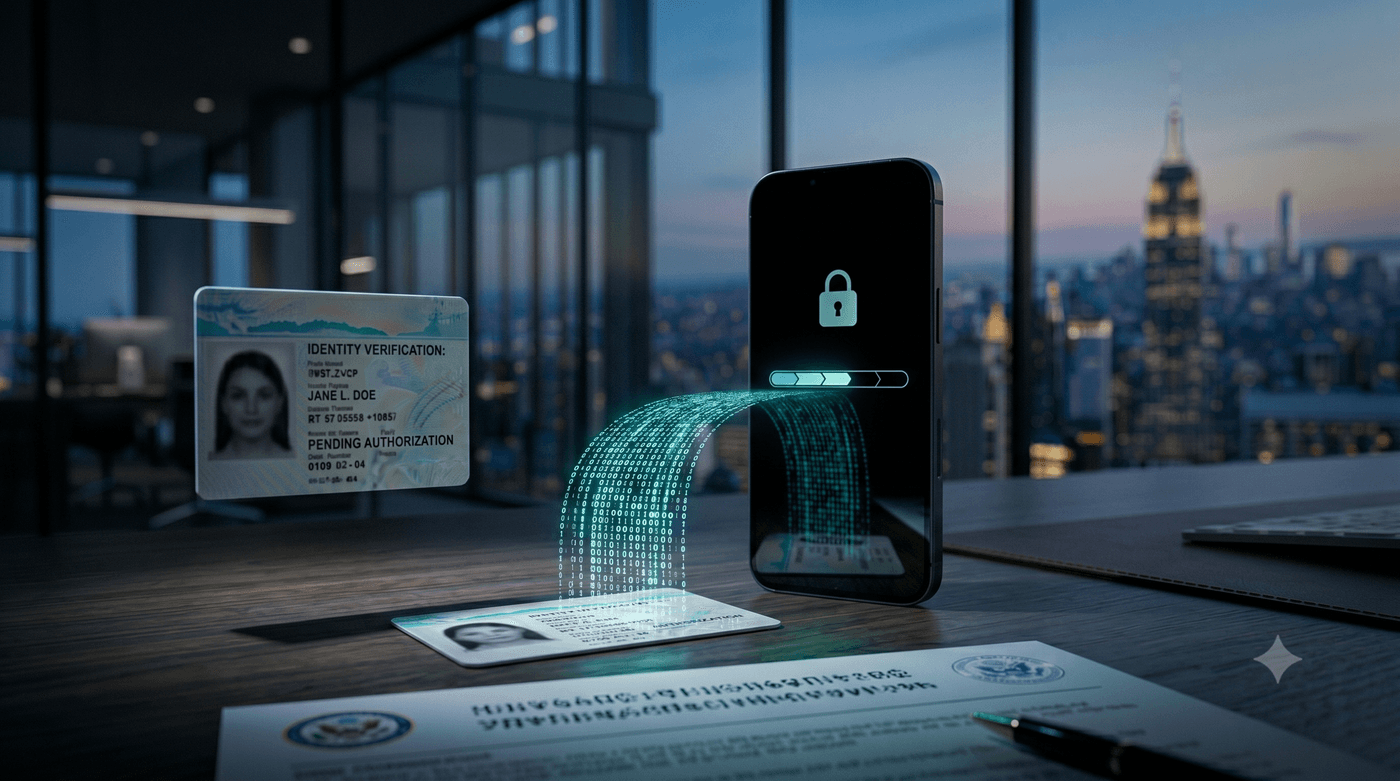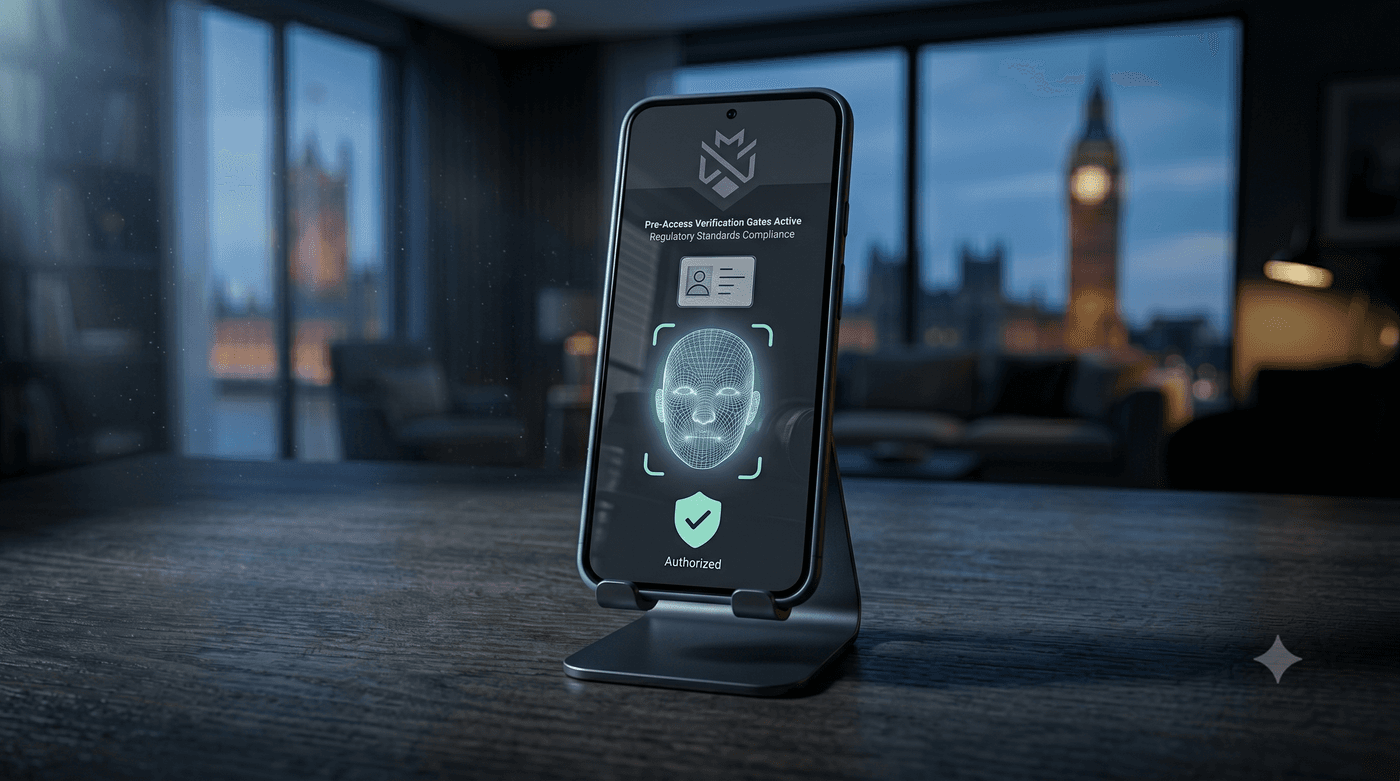
For “why should I trust you with my face?”, on-device processing is a plain answer: you often do not have to send the image anywhere. The camera feed and facial analysis stay on the user’s device. The image is processed locally, usually within a few seconds, then deleted. Only a result (e.g. “over 18” or “under 18”) goes to the platform or verification service. No face image, no biometric template, and no stable identifier has to leave the phone. That pattern is what Discord now requires from age-assurance vendors for facial age estimation.
How on-device age verification works technically
Technically, on-device solutions run a small model or SDK on the device. The user takes a selfie or short video; liveness is checked to prevent spoofing; age is estimated (or, in hybrid flows, an ID is checked locally). The result is signed or sent as a one-time token. Server-side, the platform only sees "verified" or "not verified" plus an audit ID. There is nothing to breach, nothing to hand to law enforcement beyond the verification event, and no gallery of faces. That aligns with GDPR data minimisation and with user expectations in a post-breach world.
When on-device isn't enough (and the next-best option)
Not every use case can be solved on-device alone; some regulations or risk levels require ID-based verification. But where estimation or lightweight checks are acceptable, on-device (or, in a similar spirit, server-side processing with immediate deletion and no storage) offers a clear story to users and regulators: we verified age without keeping your face. For platforms choosing vendors, the question "does the face ever leave the device?" is now a standard to ask. If you cannot run an on-device SDK, the next best thing is a verification service that processes the face server-side in memory and deletes it immediately, then returns only a signed result and an Audit ID, so your platform still never stores faces or IDs and has nothing to leak. Either way, the product goal is the same: verify age, prove compliance, hold no biometric or document data.